
Embark on a journey to discover the ins and outs of chronic hemorrhoids management, from medical treatments to lifestyle changes, in a quest for long-term relief.
Unravel the mysteries of this common yet often misunderstood condition, and learn how to tackle it head-on with practical advice and holistic approaches.
Overview of Chronic Hemorrhoids Management
Chronic hemorrhoids are swollen veins in the rectum or anus that persist over time, unlike acute hemorrhoids which may resolve on their own. Managing chronic hemorrhoids is essential for long-term health to alleviate symptoms and prevent complications.
Common Symptoms of Chronic Hemorrhoids
- Rectal bleeding during bowel movements
- Pain or discomfort in the anal region
- Itching or irritation around the anus
- Prolapsed hemorrhoids that protrude outside the anus
- Difficulty cleaning after bowel movements
Medical Treatments for Chronic Hemorrhoids
Chronic hemorrhoids can be managed through various medical treatments, ranging from over-the-counter medications to surgical options for severe cases.
Over-the-Counter Medications
- Topical creams and ointments: These products contain ingredients like hydrocortisone or witch hazel, which can help reduce inflammation and provide relief from itching and pain.
- Suppositories: These are inserted into the rectum and can help alleviate symptoms by reducing swelling and discomfort.
- Fiber supplements: Taking fiber supplements can help soften stools, making them easier to pass and reducing strain on the hemorrhoids.
Prescription Treatments
- Prescription-strength creams or ointments: In cases where over-the-counter options are not effective, a healthcare provider may prescribe stronger medications to help alleviate symptoms.
- Injections: Sclerotherapy involves injecting a solution into the hemorrhoid to shrink it, reducing symptoms like bleeding and discomfort.
- Rubber band ligation: This procedure involves placing a rubber band around the base of the hemorrhoid to cut off its blood supply, causing it to shrink and fall off.
Surgical Options
- Hemorrhoidectomy: In severe cases where other treatments have not been effective, a surgical procedure known as hemorrhoidectomy may be recommended to remove the hemorrhoids.
- Stapled hemorrhoidopexy: This surgery involves using a circular stapling device to remove excess tissue and reposition the remaining tissue to reduce the blood supply to the hemorrhoids.
- Hemorrhoidal artery ligation: This procedure involves tying off the blood vessels supplying the hemorrhoids, reducing their blood flow and causing them to shrink.
Lifestyle Changes and Home Remedies
Making certain lifestyle changes and utilizing home remedies can play a key role in managing chronic hemorrhoids. These simple adjustments can help alleviate symptoms and promote healing.
Dietary Modifications
Making changes to your diet can significantly impact chronic hemorrhoids. Ensure you have an adequate intake of fiber-rich foods such as fruits, vegetables, and whole grains. Fiber helps soften stool and make bowel movements easier, reducing strain on the hemorrhoids.
Sitz Baths
Sitz baths involve sitting in warm water for about 15-20 minutes several times a day. This can help soothe the affected area, reduce inflammation, and provide relief from itching and discomfort associated with chronic hemorrhoids.
Ice Packs
Applying ice packs to the anal area can help reduce swelling and numb the area, providing temporary relief from pain and discomfort. Make sure to wrap the ice pack in a cloth to prevent direct contact with the skin and limit application to 10-15 minutes at a time.
Hydration
Staying hydrated by drinking an adequate amount of water each day can help soften stools and prevent constipation, reducing the strain on hemorrhoids during bowel movements. Aim for at least 8-10 glasses of water daily.
Avoid Straining
Straining during bowel movements can worsen hemorrhoid symptoms. To prevent this, avoid sitting on the toilet for extended periods and try not to strain when passing stool. If needed, use a stool softener to make bowel movements easier.
Regular Exercise
Engaging in regular physical activity can help improve overall bowel function and prevent constipation, which can aggravate hemorrhoids. Aim for at least 30 minutes of moderate exercise most days of the week.
Prevention Strategies for Chronic Hemorrhoids
Chronic hemorrhoids can be a source of discomfort and pain, but there are preventive measures that can help reduce the risk of developing this condition. By incorporating these strategies into your daily routine, you can improve your overall bowel health and reduce the likelihood of experiencing flare-ups.
Proper Hygiene Practices
Maintaining proper hygiene is essential in preventing chronic hemorrhoids. Make sure to clean the anal area gently after bowel movements with unscented, soft toilet paper or moist towelettes. Avoid using harsh soaps or wipes that could irritate the skin. Keeping the area clean and dry can help prevent inflammation and discomfort.
Regular Exercise
Engaging in regular physical activity can improve bowel health and reduce the risk of developing chronic hemorrhoids. Exercise helps to stimulate bowel function, preventing constipation and straining during bowel movements. Aim for at least 30 minutes of moderate exercise most days of the week, such as walking, swimming, or yoga. Staying active can also help maintain a healthy weight, which can further reduce the risk of hemorrhoids.
Hydrate and Maintain a High-Fiber Diet
Drinking an adequate amount of water and consuming a high-fiber diet can help prevent constipation, a common risk factor for chronic hemorrhoids. Aim to drink at least 8 glasses of water per day and include fiber-rich foods like fruits, vegetables, whole grains, and legumes in your meals. Fiber softens the stool and makes it easier to pass, reducing the strain on the rectal veins.
Psychological Impact of Chronic Hemorrhoids
Living with chronic hemorrhoids can have a significant emotional and psychological impact on individuals. The constant discomfort, pain, and embarrassment associated with this condition can lead to stress, anxiety, and even depression. Coping with the psychological effects of chronic hemorrhoids is essential for overall well-being.
Coping Strategies for Stress and Anxiety
- Practice relaxation techniques such as deep breathing, meditation, or yoga to reduce stress levels.
- Engage in regular physical activity to boost your mood and improve overall mental health.
- Talk to a therapist or counselor to address any emotional challenges you may be facing.
- Seek support from friends, family members, or support groups who can provide understanding and empathy.
Importance of Seeking Professional Help
- Consult a healthcare professional for proper diagnosis and treatment of chronic hemorrhoids to alleviate physical symptoms.
- Discuss any emotional or psychological concerns with your healthcare provider to receive appropriate support and guidance.
- Consider therapy or counseling to help manage the emotional impact of living with chronic hemorrhoids.
Holistic Approaches to Managing Chronic Hemorrhoids
When it comes to managing chronic hemorrhoids, alternative therapies and holistic approaches can play a significant role in providing relief and improving overall well-being. These methods can complement traditional medical treatments and help reduce pain and discomfort associated with this condition.
Acupuncture and Herbal Remedies
- Acupuncture: This ancient Chinese practice involves inserting thin needles into specific points on the body to alleviate pain and promote healing. Some individuals find acupuncture to be effective in reducing hemorrhoid symptoms.
- Herbal Remedies: Certain herbs such as witch hazel, horse chestnut, and butcher’s broom have been traditionally used to help reduce inflammation and improve circulation in the affected area. These natural remedies may provide relief for some individuals with chronic hemorrhoids.
Mindfulness Techniques
- Mindfulness Meditation: Practicing mindfulness techniques can help individuals manage stress and anxiety related to chronic hemorrhoids. By focusing on the present moment and being aware of sensations in the body, mindfulness can reduce pain and discomfort.
- Deep Breathing Exercises: Deep breathing techniques can help relax the body and mind, promoting better blood flow and reducing tension in the anal area. This can lead to decreased inflammation and discomfort associated with hemorrhoids.
Complementing Traditional Treatments
Holistic approaches can work hand in hand with traditional medical treatments for chronic hemorrhoids. By incorporating alternative therapies, individuals may experience enhanced pain relief, reduced inflammation, and improved overall well-being. It’s essential to consult with healthcare providers before starting any new holistic treatments to ensure they are safe and appropriate for your specific condition.
The Importance of Regular Check-ups and Monitoring
Regular check-ups with healthcare providers play a crucial role in the management of chronic hemorrhoids. These appointments help in monitoring the condition, assessing treatment progress, and identifying any potential complications early on.
Significance of Routine Check-ups
- Healthcare providers can evaluate the effectiveness of current treatment methods and make necessary adjustments.
- Regular check-ups enable early detection of any changes in symptoms or the development of new issues.
- Monitoring helps in preventing the progression of hemorrhoids to more severe stages.
Role of Monitoring Symptoms and Treatment Progress
- Keep track of any changes in the size, color, or texture of hemorrhoids.
- Monitor the frequency and intensity of symptoms like bleeding, pain, and itching.
- Record any side effects or reactions to medications or treatments.
When to Seek Medical Attention
- If there is persistent bleeding from the rectum.
- If the pain becomes severe and is not relieved by over-the-counter medications.
- In case of a prolapsed hemorrhoid that cannot be pushed back inside.
- If there is a sudden change in bowel habits or the appearance of new symptoms.
Dietary Considerations for Chronic Hemorrhoids
It is essential to pay close attention to your diet when managing chronic hemorrhoids. Certain foods can aggravate symptoms, while others can help alleviate discomfort and promote digestive health.
Foods to Avoid
- Avoid spicy foods, which can irritate the digestive tract and lead to flare-ups of hemorrhoid symptoms.
- Steer clear of processed foods high in refined sugars and fats, as these can contribute to constipation.
- Limit consumption of dairy products and red meat, as they can be harder to digest and may worsen hemorrhoid symptoms.
Importance of High-Fiber Diet
Eating a diet rich in fiber is crucial for managing chronic hemorrhoids. Fiber helps soften stool, making bowel movements easier and reducing the strain on hemorrhoids.
Include plenty of fruits, vegetables, whole grains, and legumes in your meals to ensure an adequate fiber intake. Drinking plenty of water is also important to help fiber work effectively in the digestive system.
Meal Planning Tips
- Plan meals that include a good balance of fiber-rich foods, lean proteins, and healthy fats to support digestive health.
- Try to eat smaller, more frequent meals throughout the day to prevent overloading the digestive system.
- Avoid eating large meals close to bedtime, as this can disrupt digestion and potentially worsen hemorrhoid symptoms.
Ending Remarks
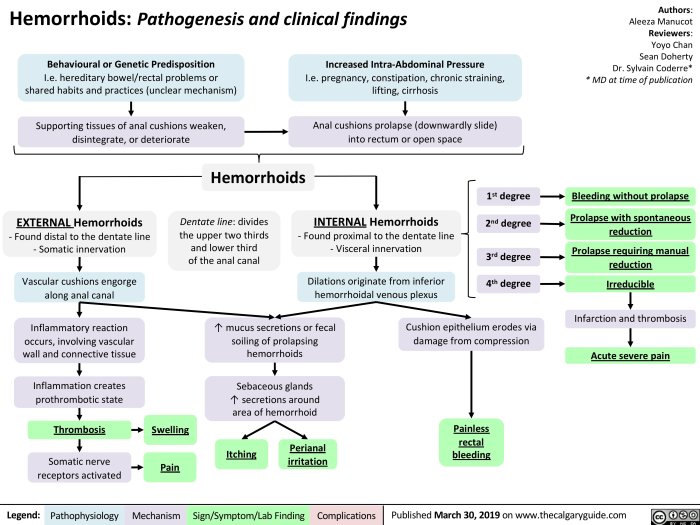
In a nutshell, chronic hemorrhoids management is all about taking control of your health, making informed choices, and seeking the right support for a smoother journey ahead.
Question & Answer Hub
Can chronic hemorrhoids be completely cured?
Chronic hemorrhoids can be managed effectively with the right treatments and lifestyle changes, but complete cure may vary from person to person.
Are there any natural remedies for chronic hemorrhoids?
Yes, natural remedies like sitz baths, ice packs, and high-fiber diets can help alleviate symptoms of chronic hemorrhoids.
Is surgery the only option for severe chronic hemorrhoids?
Surgery is one option for severe cases, but there are also other medical treatments and lifestyle changes that can provide relief.


